Foundation · Piano
Six months from sitting at the keyboard for the first time, to playing a song with both hands, in any key, with feel.
A note for the absolute beginner
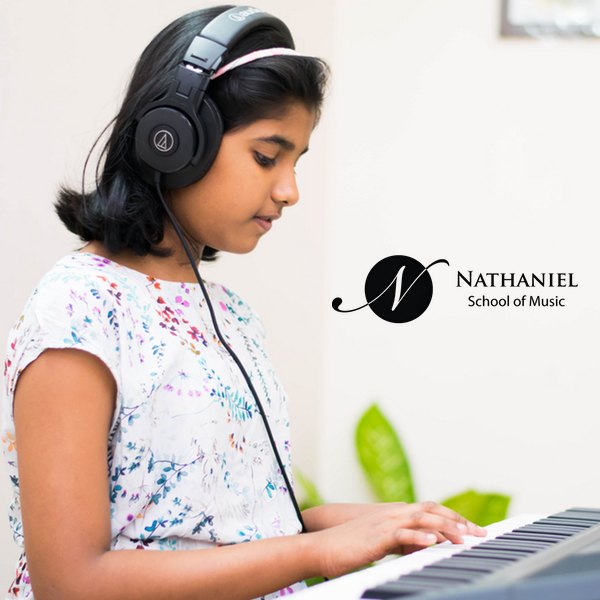
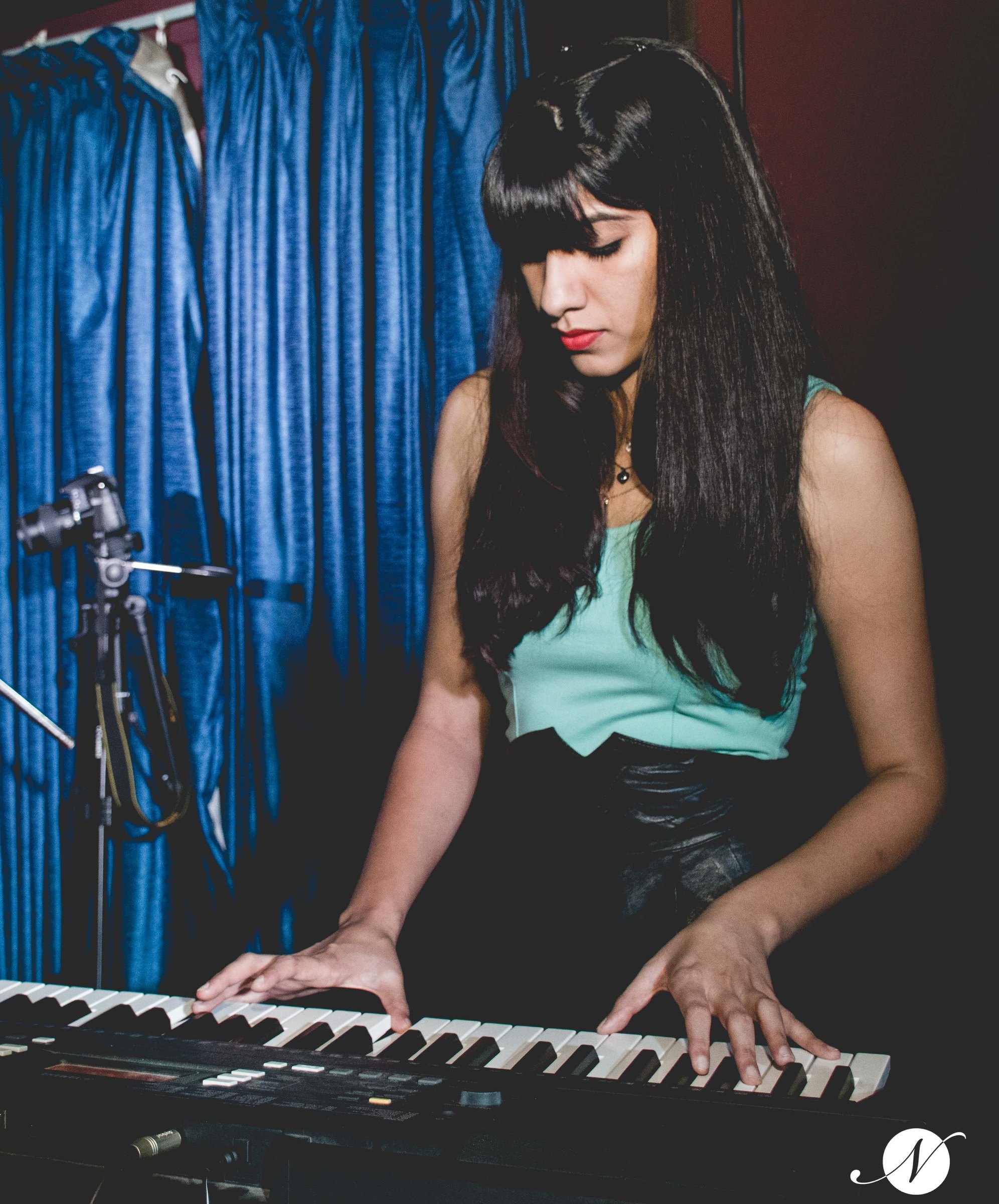
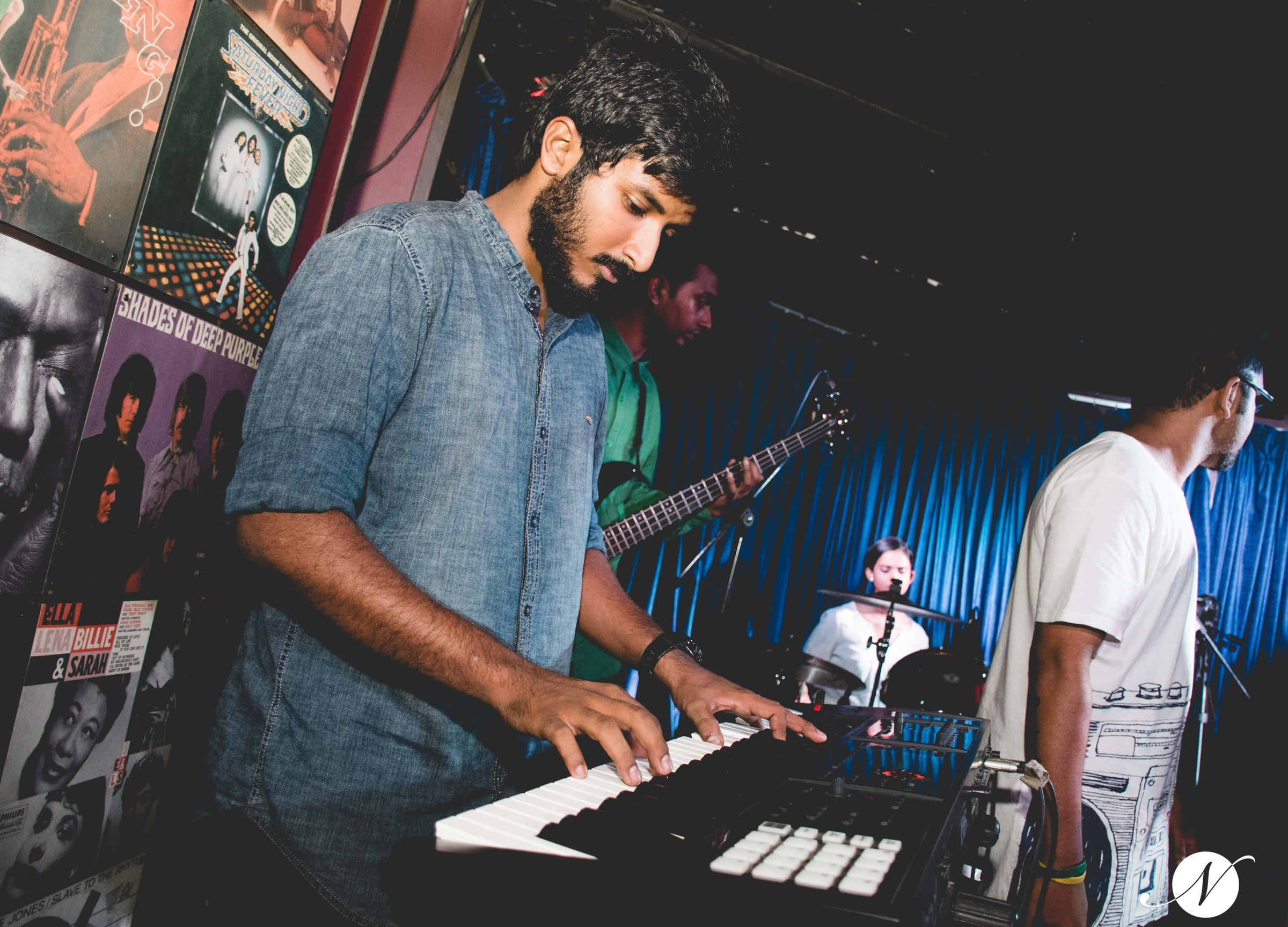
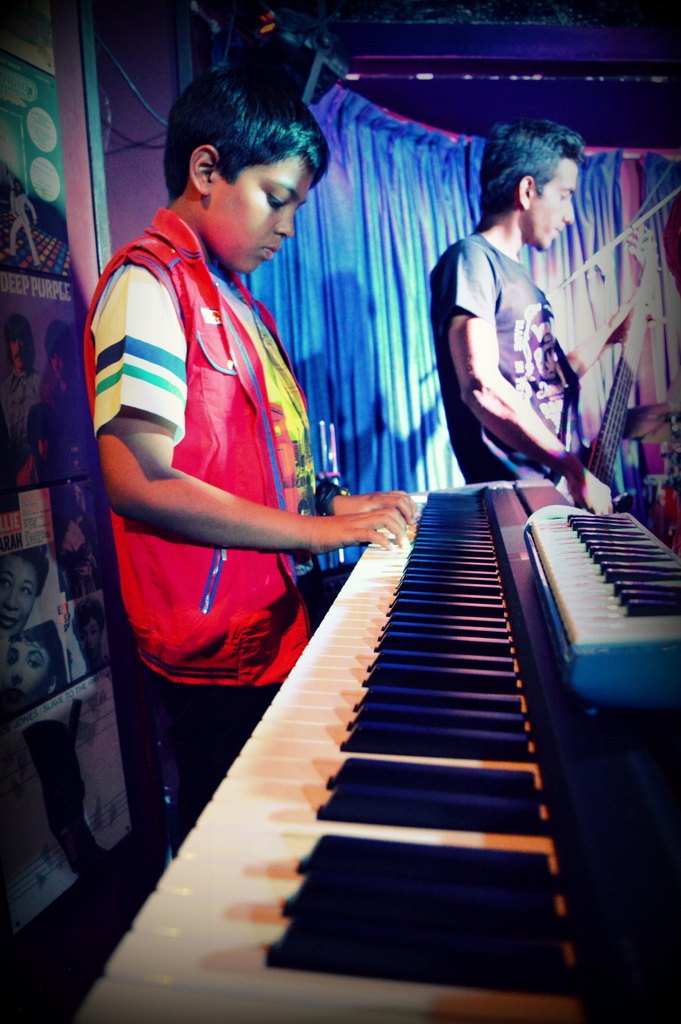
The Foundation Course is for the student who has never played, or who has played a little but never properly. It is for the seven-year-old whose parent is reading this brochure on their behalf, and for the seventy-five-year-old who has waited their whole life. It is for the engineer who used to play in school, the singer who wants to accompany themselves, the producer who wants to escape the grid.
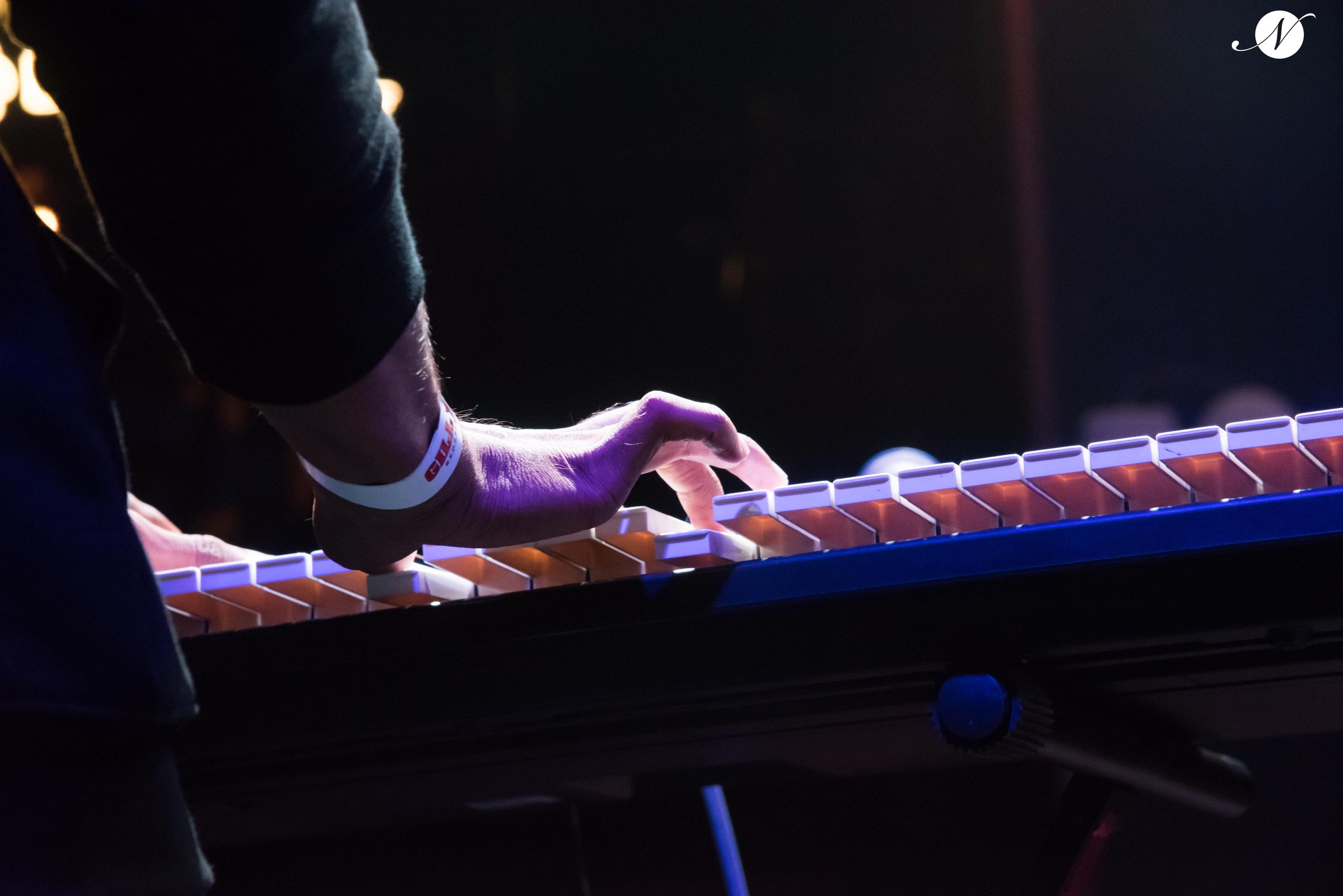
The course assumes nothing. We start at the very first day with how to sit, how to place your hands, how to make a single note sound musical instead of mechanical. By week two you are playing chords. By week six you are playing a 12-bar blues. By the end of the semester you are accompanying a singer, transposing a song into a more comfortable key, and reading basic notation.
None of this is fast. But none of it is slow, either. The Foundation Course is paced so that the work you do this week makes next week's work possible. Each lesson builds on the last. There are no detours. There is no padding. Six months in, you will be a different musician and, more importantly, a more musical one.
— Nathaniel School of Music · Piano Faculty

The arc of a semester
The Foundation Course unfolds in three loose phases. Each builds on the last. By the end you will not just know more; you will be a different kind of musician.
Movement I · Months 1–2
Sitting, posture, hand position. Note recognition. Five-finger drills. The major and minor scales, first by ear, then by name. Beats, bars, sub-beats. Your first 8-bar melody.
By the end of Month 2 →
You play a melody & chords with both hands.
Movement II · Months 3–4
Chord inversions. Pentatonic and blues scales. Triplets, swing, Tresillo & Claves. The 12-bar blues in three keys. Waltz, Oom-Pah, Folk patterns. Intervals by ear.
By the end of Month 4 →
You can hear a chord change & name it.
Movement III · Months 5–6
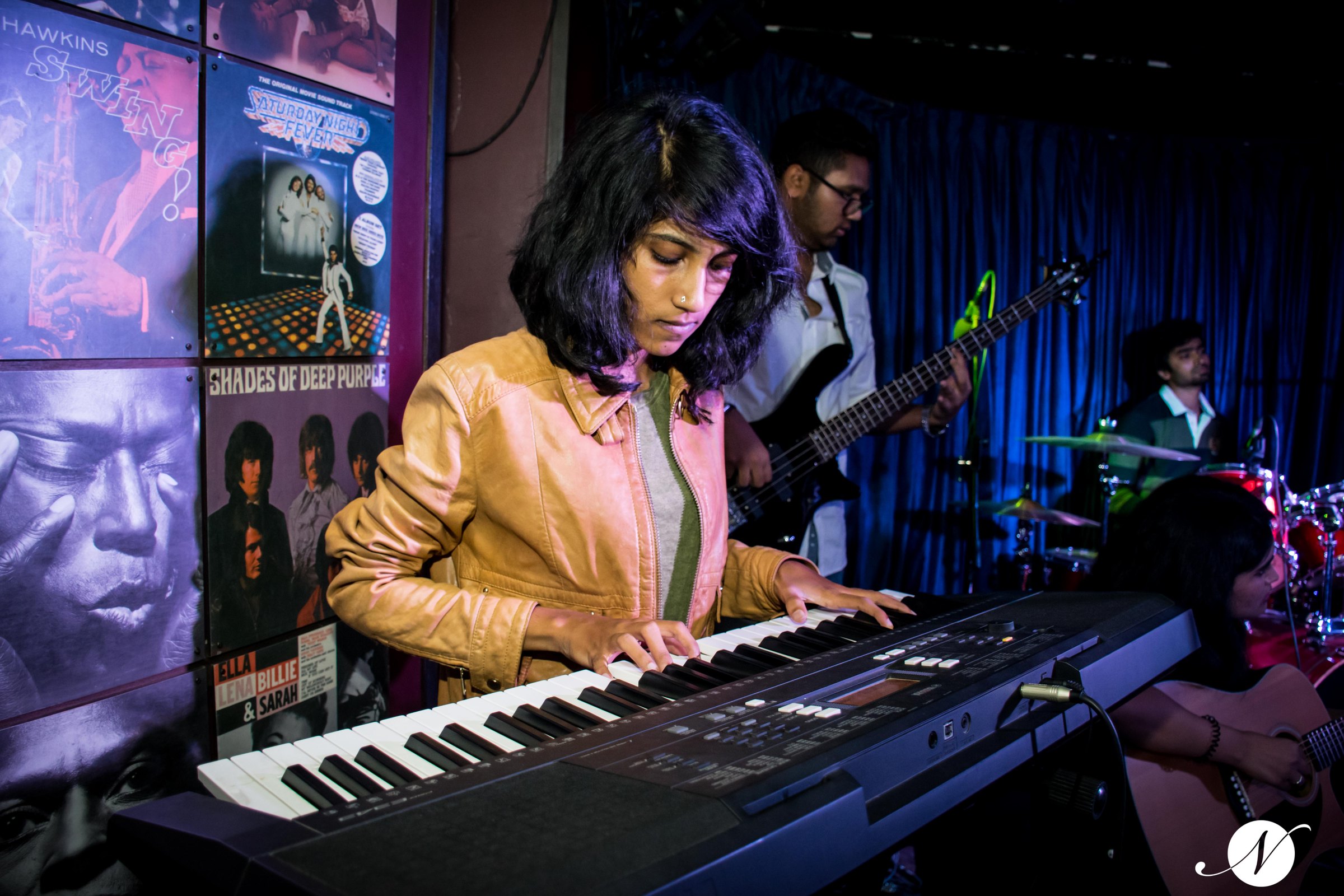
Repertoire selection. Singing & playing simultaneously. Accompaniment patterns. Final-piece preparation. Recording sessions. The semester closes with a live concert in front of an audience.
By the end of Month 6 →
You have performed on stage.
What you will learn
Pillar I
Pillar II
Pillar III
Pillar IV
What students say
A small selection from public reviews and student notes, lightly trimmed.


The Music Method course for piano is an absolute must-have for anyone serious about learning music. It gives a very solid foundation on theory while making it interesting to learn. The approach is not traditional, and that's the plus point.
I have learnt a lot of music theory, and about different genres: Western, Indian, Latin. The teacher focuses on the practical aspects of modern music composition and encourages students to be creative.
I came to Bangalore from Gurugram just to join this school. My expectations were high, and I got more than I expected. From practical to theory to ear training to regular jamming sessions and finally performing a concert as a band.
I got to learn many things in music, theory and practical. They taught each and everything step by step and I could see myself growing. I got a chance to play in gigs.
This school goes beyond the flamboyance of a short course topped by a gig or examinations. It is real learning. Strongly recommend for beginners and those serious about music.
A performance-based school that gives you a sense of the real stage. The piano classes were amazing and very well planned. I'd recommend it for anyone who believes that music is in everyone.
The honest questions
I've never played before. Is this really for me?
Yes. Foundation assumes nothing. We start at the very first day with how to sit, how to place your hands, how to make a single note sound musical. Most students who finish never played before they began.
Do I need my own keyboard?
Yes. A full-size, touch-sensitive keyboard (61–88 keys) is essential for practising between lessons. We can recommend specific models if you're shopping.
What's the age range?
From age 7 upwards, no upper limit. We've taught students well into their seventies. The course adapts to each learner's pace.
Private or group classes?
Both. Private one-on-one for full personalisation, or small-group batches for the energy of learning with others. Most Foundation students start in groups; many add private hours later.
What if I miss a class?
Every live session is recorded in HD and shared privately with you. You'll also receive teacher notes, notation, and supplementary practice tracks.
How much should I practise?
Thirty minutes a day, or three to four hours a week, is enough to see steady progress. The classes are practical, so you'll spend most of your time playing.
Can I learn from outside India?
Yes. We have students across 30+ countries, including Singapore, the UK, the US, and the Gulf. Time zones are accommodated through weekday-morning, evening, and weekend slots.
Do I get a certificate?
Yes. A graded performance-based certificate from Nathaniel School of Music, reflecting your progress in technique, theory, rhythm, and performance.
What happens after Foundation?
Most students continue into the deeper Music Method packages: 40, 50, or 65 hours per semester, with classrooms like Music Factory and New Offerings added to their plan.
Can I try a class first?
We don't run individual trial classes. To preview the teaching style, browse the 2,395+ free tutorials or the YouTube channel.
How to enrol
Foundation runs in rolling six-month semesters. New batches begin every month. No deadline, no audition, no prerequisite; only your willingness to start.
Talk to us
Apply online
WhatsApp: +91 77604 56847
Auditions: +91 98454 65411
music@nathanielschool.com
Listen & visit
YouTube: @nathanielmusicschool (115k+)
Instagram: @nathanielschool
nathanielschool.com
Visit us · Langford Town & Sahakar Nagar, Bangalore 560025 · or anywhere online