For the player who has arrived and wants to keep going
An advanced programme in harmony, modal improvisation, transcription and rhythm theory for Foundation graduates and intermediate players ready to think like musicians, not pianists.
A note on the work ahead
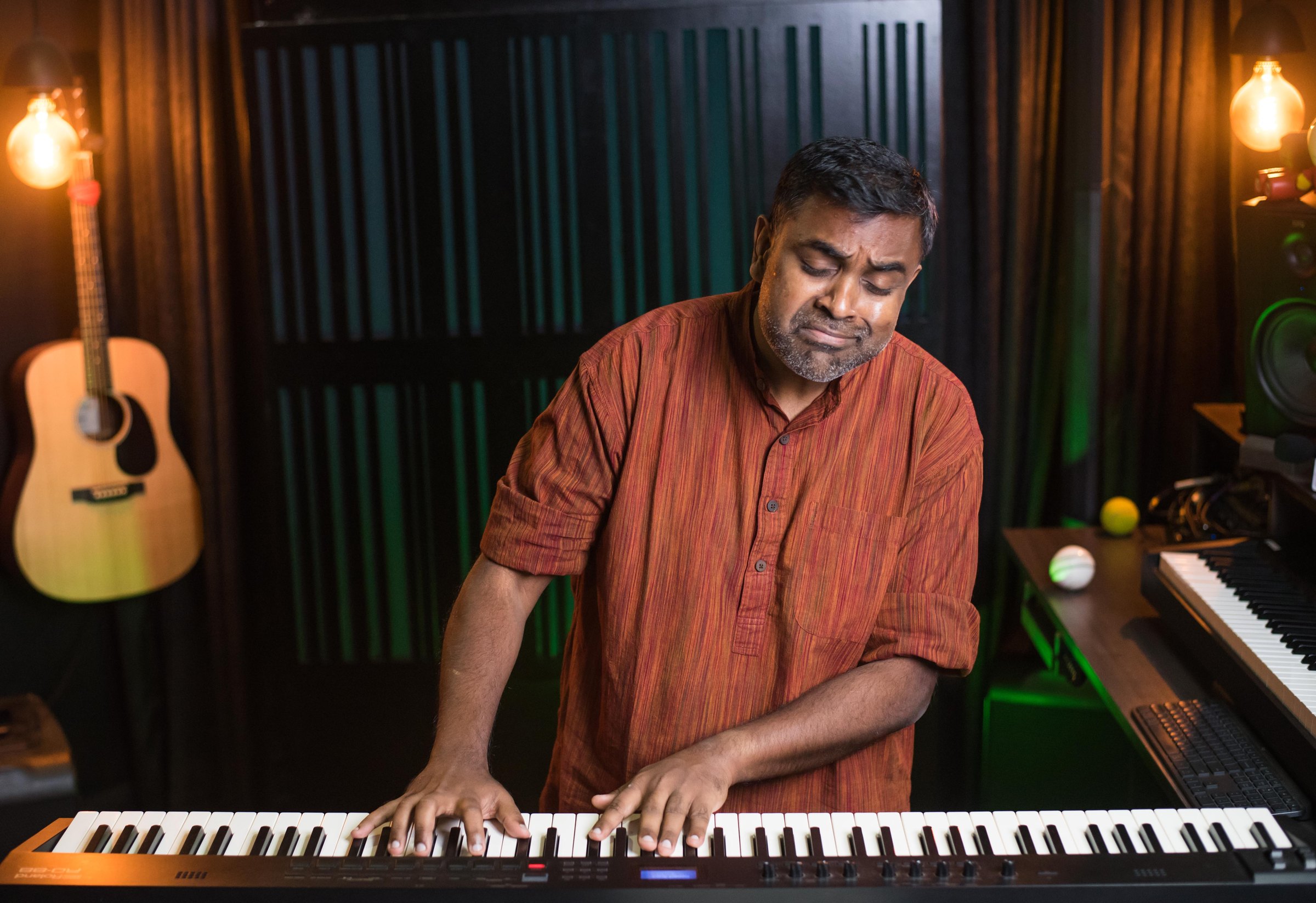
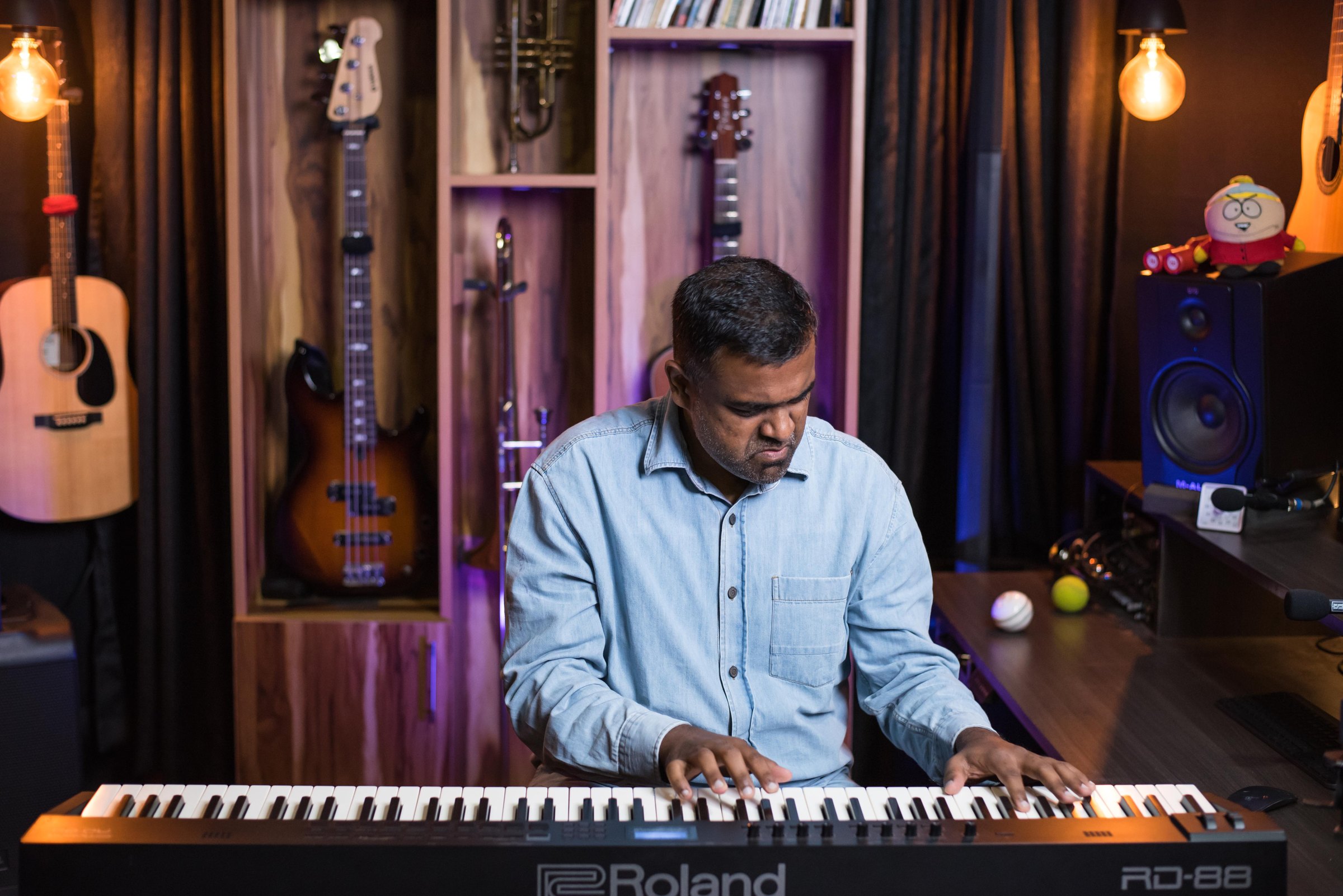
The Foundation Course gave you fluency. You can play in any key, hear chord changes, and read basic notation. You have, in short, become a piano player. Now we will turn you into a musician: someone who hears a song before they play it, knows why it works before they understand how, and can play it in a way no one else would.
The intermediate programme is taught as four parallel disciplines: piano technique, harmonic language, rhythmic vocabulary, and ear training. The work is denser. The expectations are higher. Weekly homework, structured feedback, graded examinations, and at the end of each semester, a stage.
You will study modes and modal interchange. Diatonic seventh chords. Voicings used by jazz pianists, gospel pianists, and Bollywood arrangers. You will transcribe complete songs by ear: chord by chord, voicing by voicing, rhythmic decision by rhythmic decision. You will play in 7/8 and 5/8. You will navigate ii–V–I in any key, with three different voicing strategies, and improvise over each.
This is a graded programme. Not because grades matter for their own sake, but because real progress deserves a record. Most students stay for two or three semesters; some for five. The arc of the work is open-ended. So is your ceiling.
— Jason Zac, Faculty

Syllabus, in eight modules
Diatonic seventh chords across major and minor families. Modal interchange. Borrowed chords. Tritone substitution. Reharmonisation for melody.
Mixolydian, Dorian, Lydian, Phrygian. Harmonic and melodic minor modes. Modal vamps. Soloing over a static chord.
Block chords, drop-2 and drop-3 voicings. Latin accompaniment. Jazz comping. Gospel voicings. Bollywood and cinema piano.
Our signature class. Bring a song; we transcribe it together, chord by chord, voicing by voicing, rhythmic choice by rhythmic choice.
Odd metres (5/8, 7/8). Polyrhythms and metric modulation. Advanced Konnakol. Tresillo, Claves, Charleston, Bossa and Salsa montuno.
Hearing extensions (9, 11, 13). Chord-quality recognition in voicings. Modal identification. Bass-line transcription. Finding key and mode.
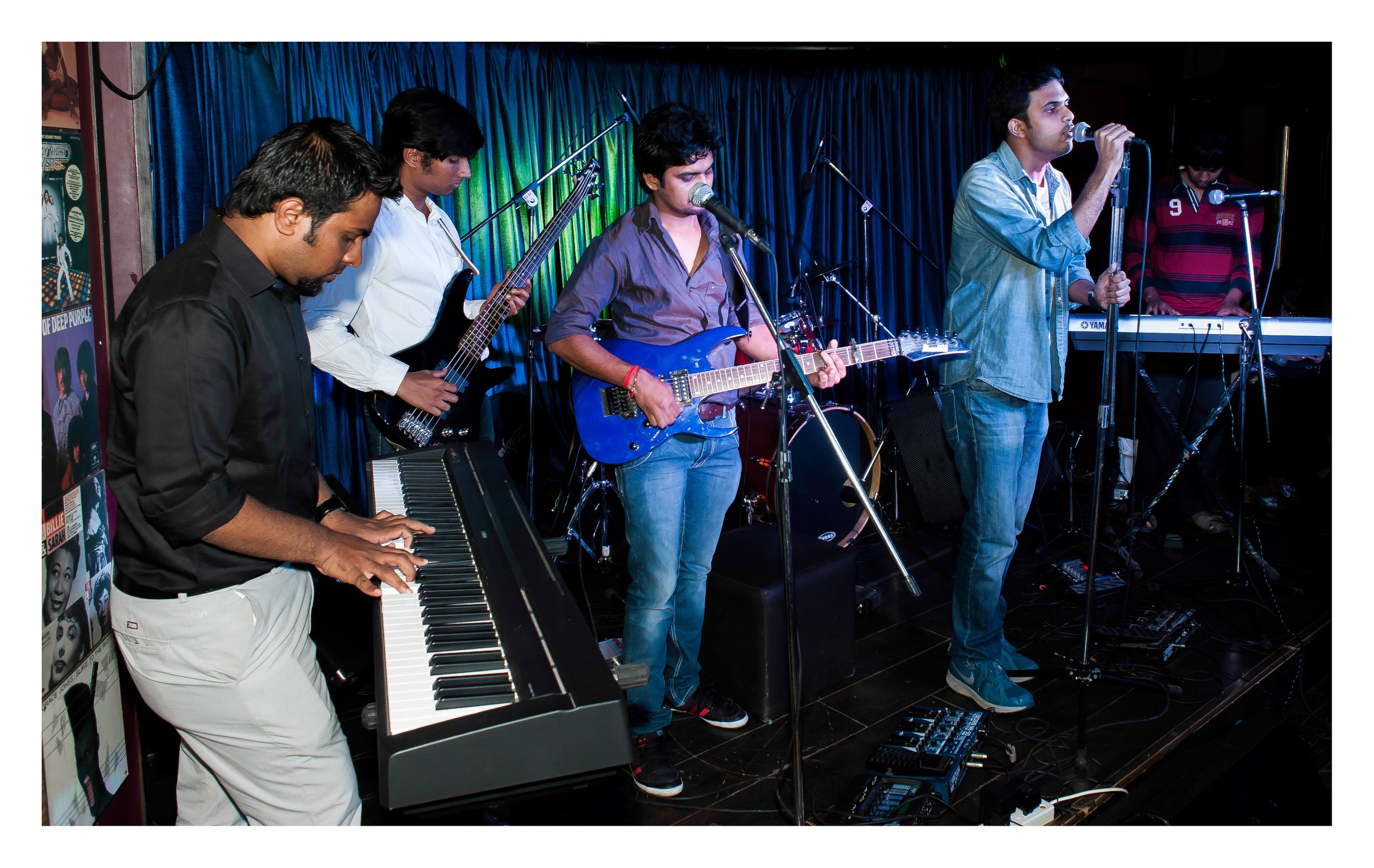
Solo repertoire. Duo and trio playing with vocalists and band. Studio sessions. Stage presence, sound check, monitoring, set-list construction.
Song form. Melody over functional harmony. Counter-melody and voice leading. Arranging for piano + voice, piano + band, and piano solo.
“
A lot of thought has been put into designing the curriculum. The theory class is so refreshingly knowledgeable, not just theory but history and a contemporary take on it. The live performance experience is a must, even if you're only in it for the learning.
From a public review
Packages
Unlike Foundation, the intermediate programme is sold by the hour. Pick the package that matches the time you can give. All packages cover the same syllabus, at different depths.
Fees · quoted on enquiry (tailored to your goals)
All packages include · HD recordings of every class · weekly assignments · graded NSM certificate · live final concert
Format · private one-on-one or small-group batches · live online · Bangalore in-person · hybrid
How to enrol
A pianist who can play one song in C major is not a pianist. The Method finishes the work the Foundation began and opens out into a career, a stage, or simply a lifetime of musical fluency.
Talk to us
Apply online
WhatsApp: +91 77604 56847
Auditions: +91 98454 65411
music@nathanielschool.com
Listen & visit
YouTube: @nathanielmusicschool (115k+)
Instagram: @nathanielschool
nathanielschool.com
Visit us · Langford Town & Sahakar Nagar, Bangalore 560025 · or anywhere online